
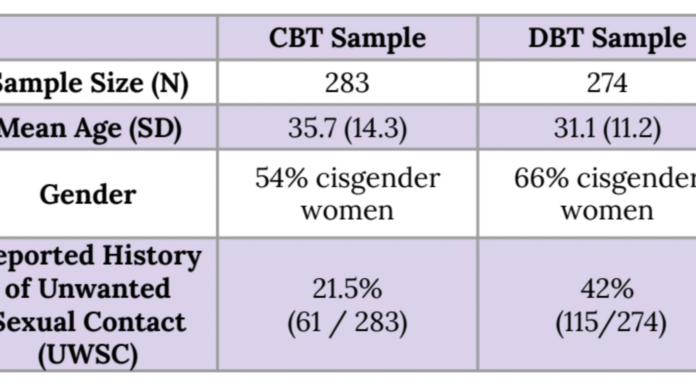
Background
● People who experience sexual trauma (ST), such as unwanted sexual contact, may also experience severe mental health struggles as a result1
● Dialectical Behavior...
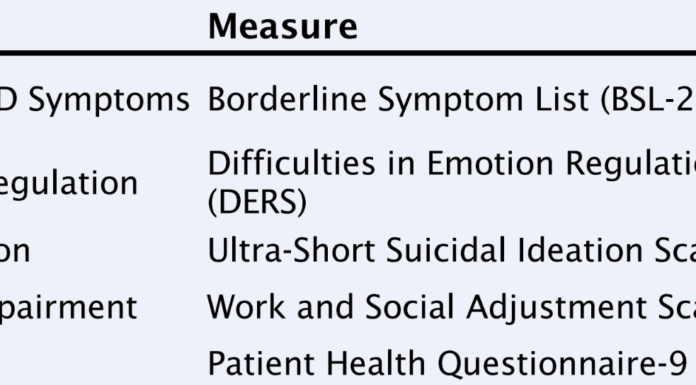
Background
• Serious Mental Illness (SMI): One or more mental disorder diagnoses along with impaired functioning of daily activities, including frequency of suicidal ideation, attempts,...
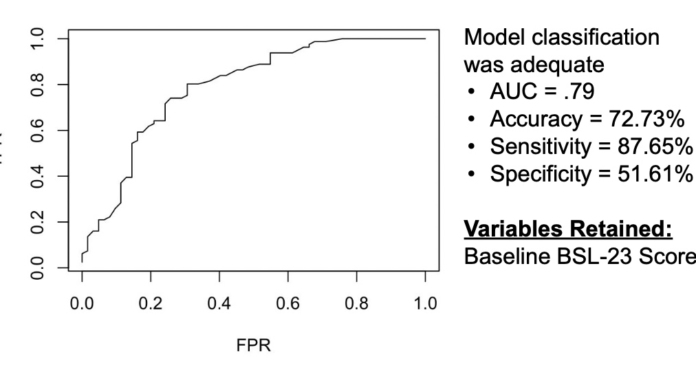
Introduction
● Predictors of dialectical behavior therapy (DBT) response have been previously identified, such as baseline symptom severity and homework completion (Yin et al., 2022)
●...
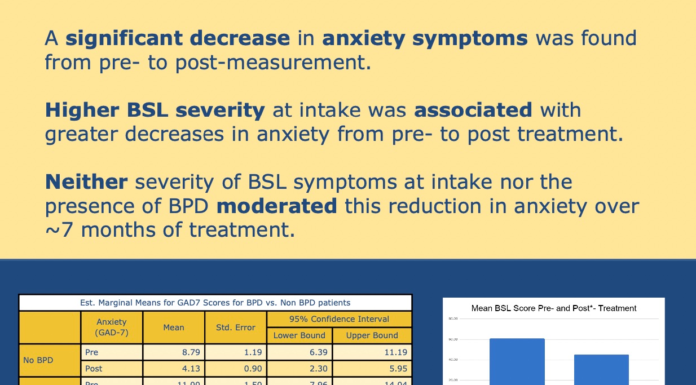
INTRODUCTION:
• Anxiety disorders are highly prevalent among people with symptoms of borderline personality disorder (BPD), with comorbidity rates ranging from 75% to 90%1.
• Anxiety...
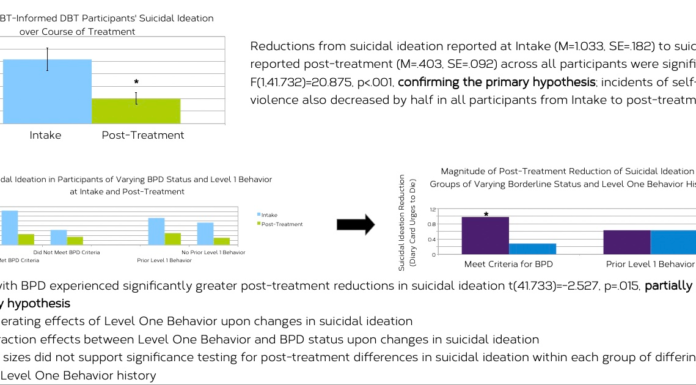
Background
Dialectical Behavior Therapy (DBT) was adapted from Cognitive Behavioral Therapy (CBT) to better meet needs of patients with Borderline Personality Disorder (BPD)
- treatment...
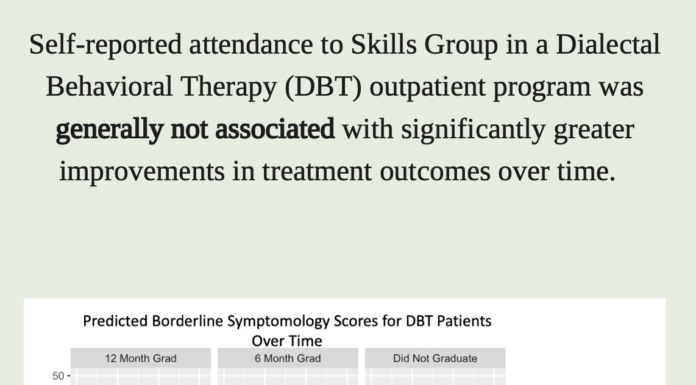
Intro/Background
• Dialectical Behaviour Therapy (DBT; Linehan, 1993) is a well-established treatment for individuals with borderline personality disorder (BPD)
• Less is known about the which...
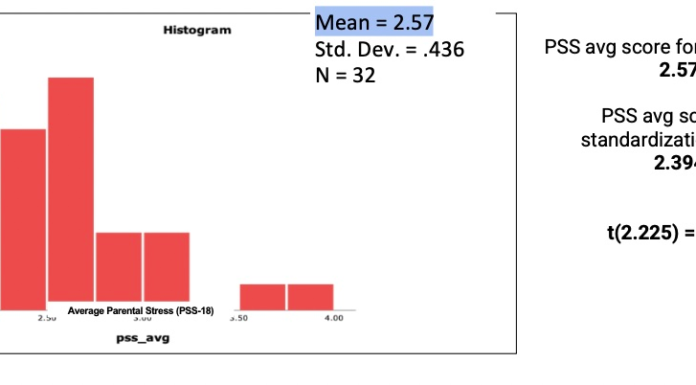
INTRO:
For caregivers of individuals who meet criteria for borderline personality disorder, adolescents’ impairments in interpersonal functioning and emotion regulation are key features of...
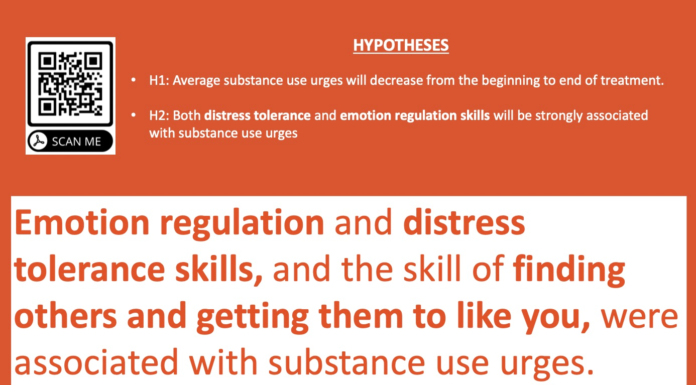
Introduction
Nearly 50% of patients diagnosed with BPD have a comorbid substance use disorder (2,3)
Studies show mixed conclusions linking emotion regulation (4) and...
Background
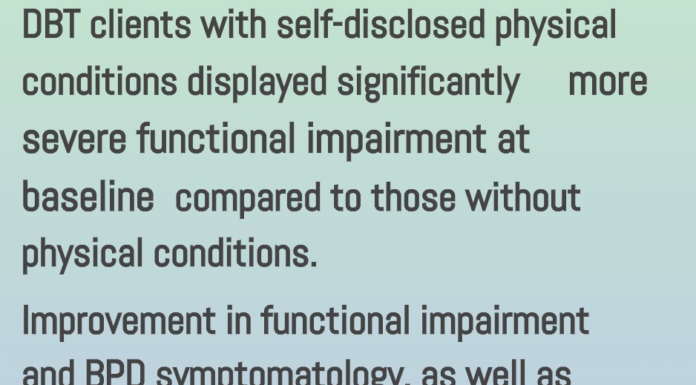
High comorbidity exists between physical and mental health conditions, with especially high rates observed in those who meet criteria for Borderline Personality Disorder...
Background
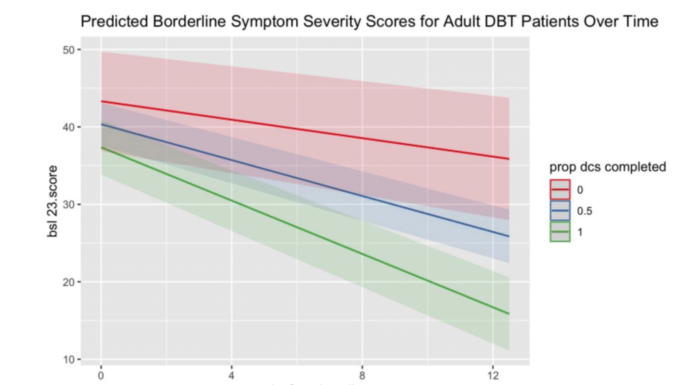
PTSD and BPD are frequently comorbid disorders that are associated with a history of trauma, but their relationship is not well understood. They...