
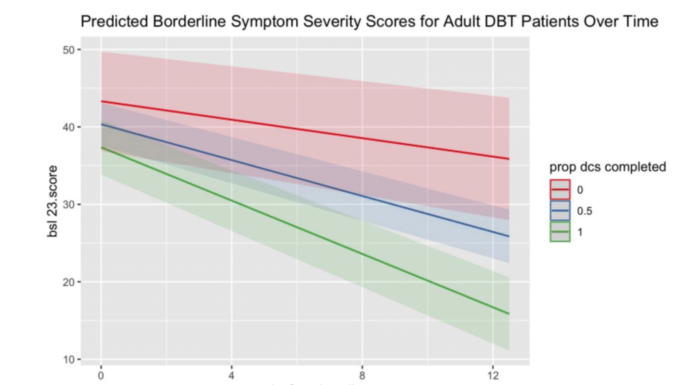
Background
PTSD and BPD are frequently comorbid disorders that are associated with a history of trauma, but their relationship is not well understood. They...
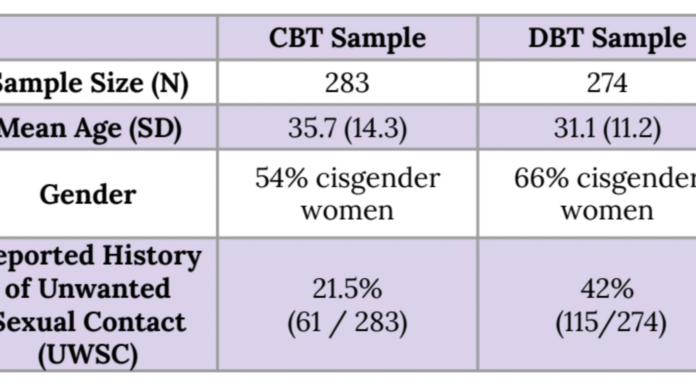
Background
● People who experience sexual trauma (ST), such as unwanted sexual contact, may also experience severe mental health struggles as a result1
● Dialectical Behavior...
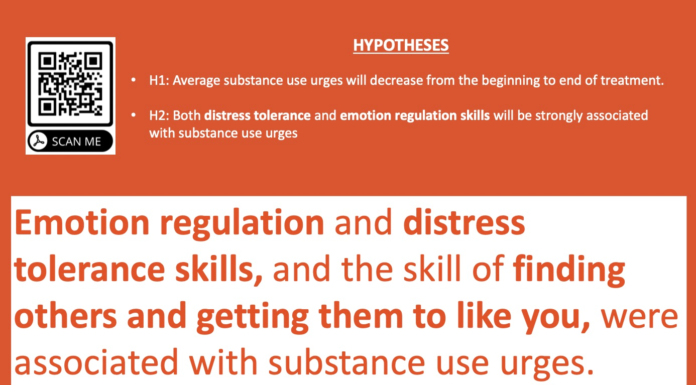
Introduction
Nearly 50% of patients diagnosed with BPD have a comorbid substance use disorder (2,3)
Studies show mixed conclusions linking emotion regulation (4) and...
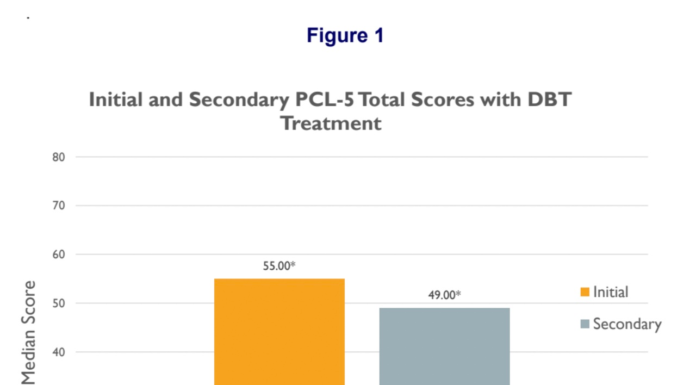
Background
CBT is the typical treatment for PTSD, though outcome meta-analyses suggest 33% of traumatized clients are excluded from treatment studies due to substance use,...
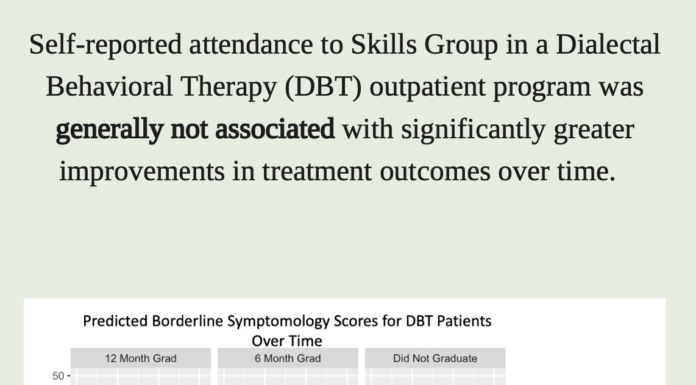
Intro/Background
• Dialectical Behaviour Therapy (DBT; Linehan, 1993) is a well-established treatment for individuals with borderline personality disorder (BPD)
• Less is known about the which...
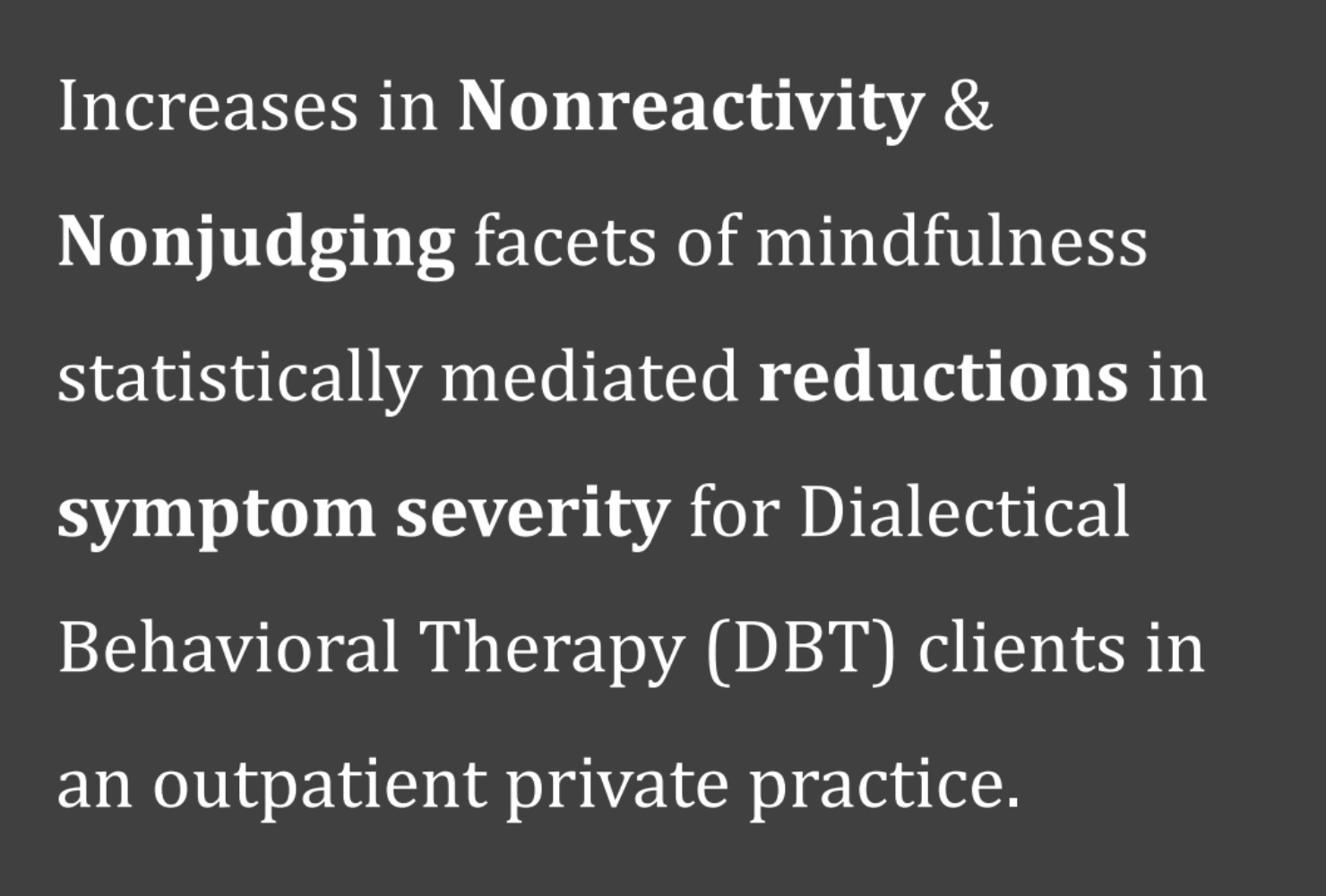
Background
• Mindfulness-based treatments for various psychopathologies are clinically effective and growing in prevalence of use, i.e. Dialectical Behavioral Therapy (DBT) . Mindfulness in DBT...
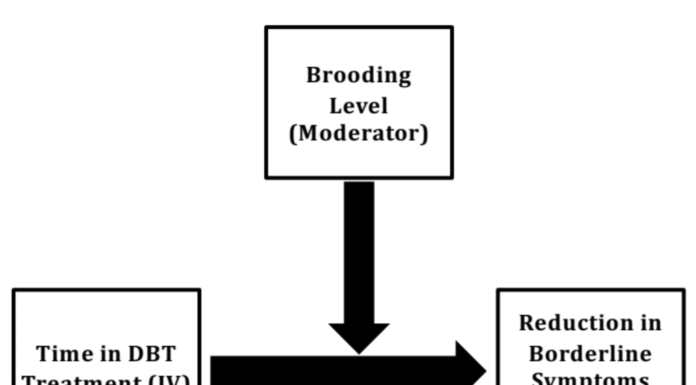
Background
•According to the Emotional Cascade Model (ECM), rumination is part of a positive feedback loop which amplifies negative affect, leading to emotional and behavioral...

Introduction
• Dialectical Behavior Therapy (DBT) is the primary treatment provided for complex psychological disorders.
• However, there is a lack of evidence relating to...
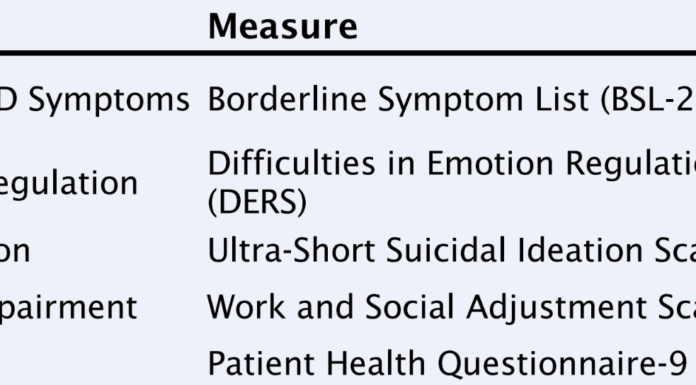
Background
• Serious Mental Illness (SMI): One or more mental disorder diagnoses along with impaired functioning of daily activities, including frequency of suicidal ideation, attempts,...
Background
• Dialectical Behavior Therapy (DBT) is an evidence-based therapy intended to treat a range of symptoms related to chronic emotional and behavioral dysregulation across...